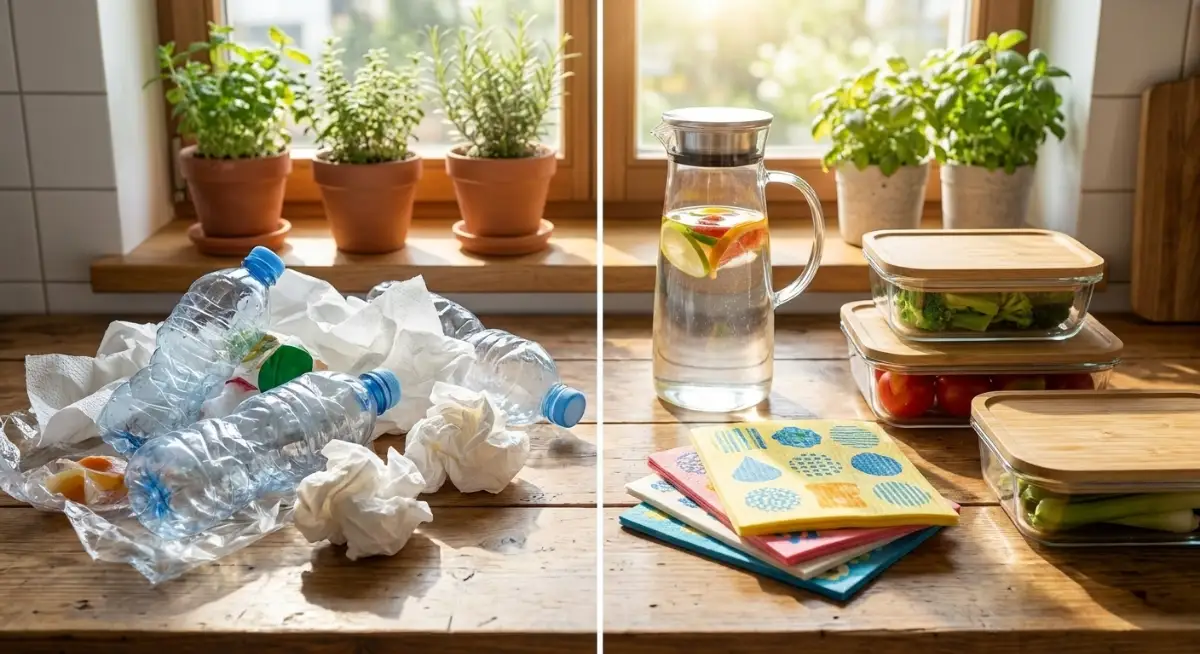
I used to think saving the planet meant emptying my wallet for a fancy electric car and organic bamboo everything. The truth? The smartest environmentalists are actually just incredibly cheap. Let me show you how stopping your daily household waste will keep hundreds of extra dollars in your bank account every single month without buying a single "green" product.
Table of Contents
- The Expensive Eco-Friendly Trap
- High-Impact Kitchen Swaps
- The Hidden Savings in Your Laundry Room
- The 48-Hour Anti-Consumption Rule
- What the Zero-Waste Forums Agree On
- Professional Disclaimer
- Your Immediate Next Steps
- Frequently Asked Questions
What You Will Learn in This Guide:
- Why the "eco-friendly" label in stores is usually a massive financial scam.
- The exact math on how much money paper towels steal from your family.
- How switching to cold-water laundry pays you back instantly.
- A mental trick to permanently stop your impulse shopping habit online.
The Expensive Eco-Friendly Trap
We all want to protect the planet and lower our massive carbon footprint. However, massive corporations use a deceptive marketing tactic called greenwashing. They slap a green leaf on a plastic bottle, double the price, and make you feel guilty if you do not buy it.
Understanding the principles of a circular economy completely changes how you view your shopping habits. A circular mindset means you repair what you own, borrow what you rarely use, and aggressively avoid the trash can.
High-Impact Kitchen Swaps
Your kitchen produces the most daily waste and actively bleeds your wallet dry. We are conditioned to buy things, use them once, and throw them away seconds later. Breaking this specific habit is the ultimate cheat code for building wealth.
Paper towels are the ultimate financial scam. A heavy paper towel habit can easily cost a family hundreds of dollars a year. You are literally throwing your hard-earned money straight into the garbage can.
The "Payback Period" of Sustainable Swaps
Wondering when these swaps actually start saving you cash? Here is the simple math:
- Swedish Dishcloths: Cost $15. Replaces $20 of paper towels. Payback time: 3 weeks.
- Reusable Coffee Filter: Costs $10. Replaces $40 of plastic pods. Payback time: 1 week.
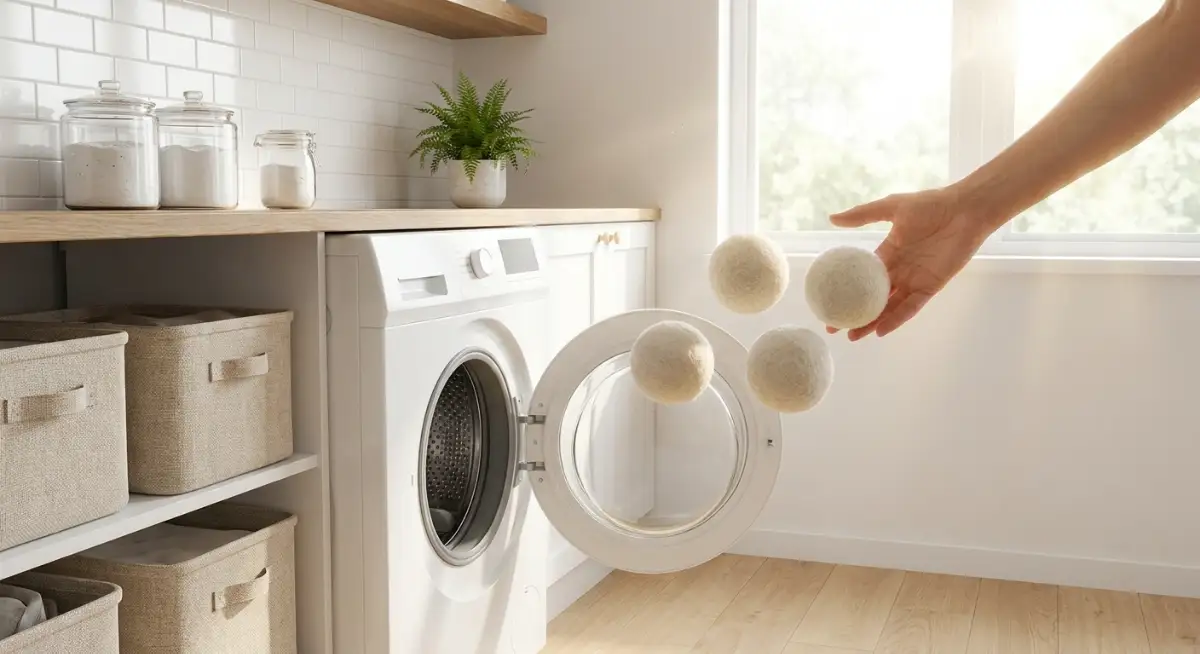
- Wool Dryer Balls: Cost $12. Replaces $15 worth of toxic dryer sheets. Payback time: 1 month.
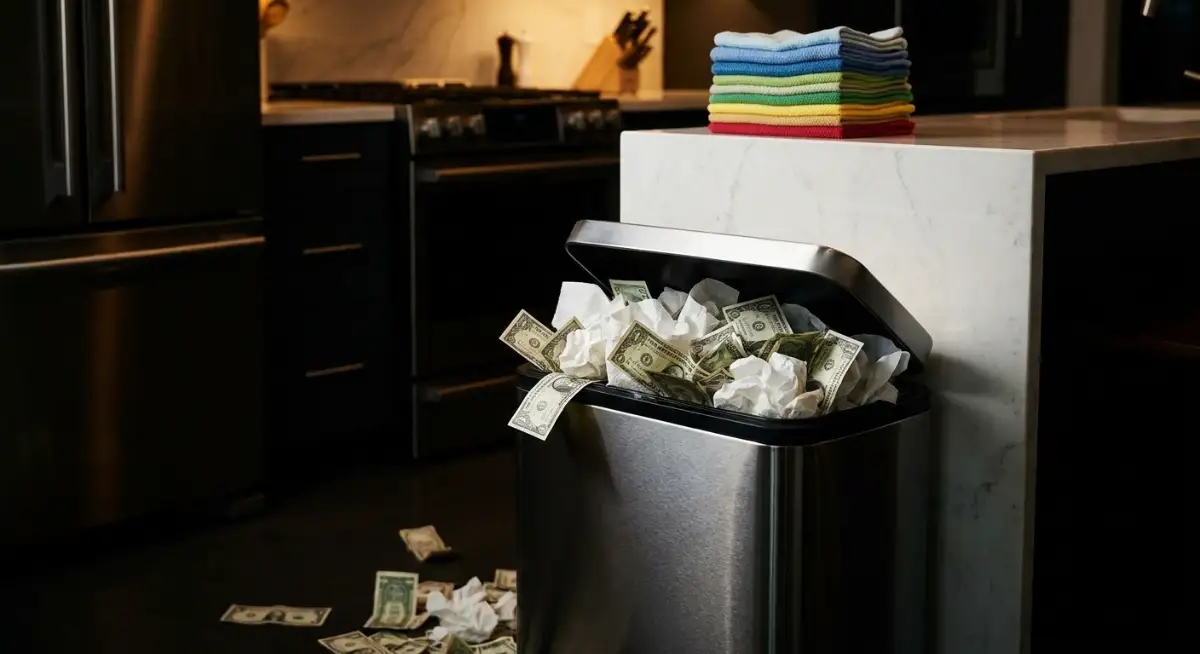
I tested this in my own house last year. I completely banned paper towels and bought a 10-pack of washable Swedish dishcloths for $15. Whenever I spilt something, I just used the cloth and threw it in the washing machine. I saved nearly $200 in twelve months without changing anything else in my life.
Sustainable Swaps: The Real Financial Impact (Yearly Average)
Pro-Tip: Do not throw away your old glass salsa or pasta sauce jars. Wash them out and use them to store leftover food or bulk rice. Free glass containers are significantly better than buying expensive matching Tupperware sets.
The Hidden Savings in Your Laundry Room
Heating water requires a massive amount of electricity. When you wash your clothes in hot water, you force your water heater to work overtime. Switching your washing machine dial to cold water instantly slashes your monthly utility bill.
Cold water is also much gentler on your clothing fabrics. Your favourite shirts will not shrink, and dark colours will not fade as quickly. This means you replace your clothing less often, saving you even more money throughout the year.
You also need to throw away your toxic dryer sheets, which frequently release harmful microplastics into your home's air and water supply. They coat your clothing in harsh chemicals and eventually break down your dryer's internal sensors. Swap them out for 100% natural wool dryer balls.
3 Golden Rules for Eco-Friendly Laundry
- Wash entirely on cold (hot water drains your energy bill rapidly).
- Skip the fabric softener (it ruins your clothes' ability to absorb sweat).
- Air dry your heavy towels whenever you possibly can to save machine wear and tear.
The 48-Hour Anti-Consumption Rule
The fast-fashion industry relies on planned obsolescence, meaning they design cheap shirts to fall apart quickly, creating millions of tonnes of toxic waste every single day. We buy cheap shirts, wear them three times, and immediately throw them out. Breaking the addiction to impulse shopping is the absolute best thing you can do for the earth.
I highly recommend adopting the 48-Hour Rule. Whenever you see something you want to buy online, put it in your digital cart and close the laptop. Force yourself to wait exactly 48 hours before you actually hit the checkout button.
In almost every single case, the intense emotional desire to buy that item completely fades away. You realise you do not actually need another pair of shoes or a new kitchen gadget. This simple mental pause protects your budget and starves the wasteful manufacturing industry.
I started using the 48-hour rule two years ago. I kept a notebook of everything I left in my online shopping carts. Looking back, I avoided buying over $1,400 worth of random gadgets and clothes I absolutely did not need. My bank account grew, and my closet stayed incredibly organised.
Sustainability: Myth vs. Reality
Myth: You have to fit all your yearly trash into a tiny mason jar to be truly sustainable.
Reality: Zero-waste perfection is impossible for normal working families. We do not need a handful of people doing zero-waste perfectly. We need millions of people doing it imperfectly to create massive global change.
What the Zero-Waste Forums Agree On
First, repairing your items is a lost art that you must relearn. Sewing a small hole in your jeans or glueing a broken shoe extends the life of that product by years. Second, buying second-hand items from thrift stores heavily reduces the demand for new plastic production.
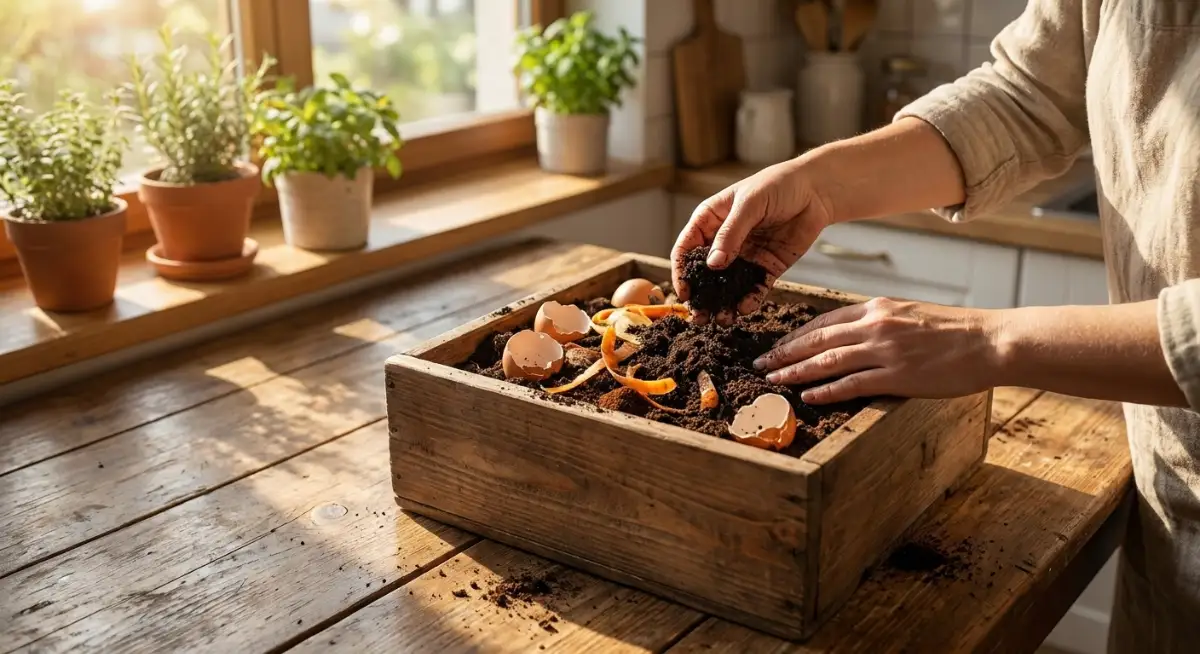
Finally, everyone agrees that composting your food scraps is incredibly powerful. Throwing food into a plastic trash bag massively increases your personal . Putting those scraps into the dirt feeds your garden and completely removes the need for toxic chemical fertilisers.
Insider Insight: Stop trying to completely overhaul your life in a single weekend. Pick one single room, like the kitchen, and focus exclusively on removing single-use plastics there. Once you master that room, move on to the next.
Professional Disclaimer: The information provided in this article is for educational and informational purposes only. It does not constitute certified financial or environmental consulting advice. Always review your local recycling and composting regulations before altering your household waste management routines.
Your Immediate Next Steps
Building a green, highly sustainable lifestyle is deeply rewarding and financially brilliant. You do not need to buy expensive, heavily marketed products to save the planet. You just need to stop throwing your hard-earned money directly into the garbage.
Start your journey today by auditing your kitchen trash can. Look at what you throw away the most. If it is paper towels, buy washable cloths immediately. If it is plastic water bottles, invest in a good water filter tonight.
Next time your favourite shirt rips, do not throw it away. Go to YouTube, watch a five-minute video on basic sewing, and fix it yourself. Take absolute control of your consumption habits today, and you will build a richer, cleaner life for tomorrow.
Frequently Asked Questions
How can I be sustainable with no money?
The best way to be sustainable with zero money is to simply use what you already own. Repair torn clothing, eat all your leftovers so you do not waste food, and wash your clothes in cold water to drop your utility bills immediately.
Are bamboo toothbrushes actually better for the environment?
Yes, bamboo toothbrushes break down naturally in the soil, while plastic toothbrushes sit in landfills for hundreds of years. However, you should completely finish using your current plastic toothbrush before buying a bamboo one to avoid unnecessary waste.
What appliance uses the most electricity in a home?
Your heating and cooling system uses the most electricity, followed closely by your water heater. Washing your laundry in cold water instead of hot water takes massive pressure off your water heater, saving you a noticeable amount of money every month.
Author BIO
Faisal Shahzaib is an elite digital strategist and investigative researcher specialising in sustainable living, personal finance, and modern minimalism. He breaks down complex environmental trends into actionable, highly practical habits. Faisal helps readers globally reduce their carbon footprint, eliminate household waste, and keep more money in their own pockets.