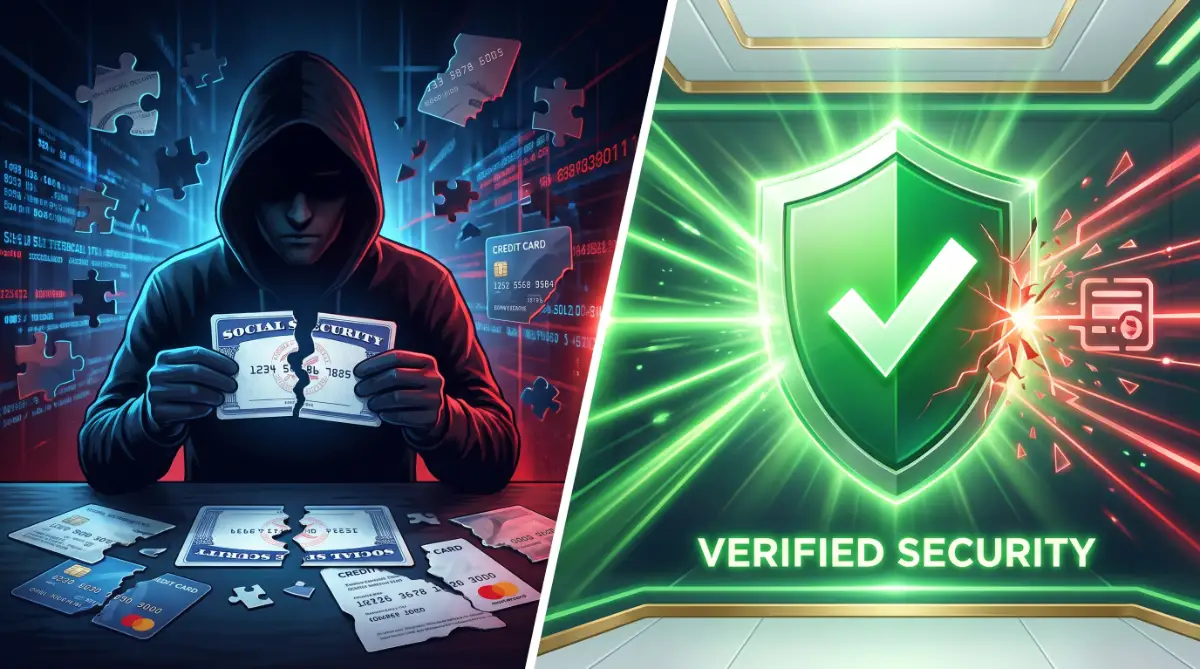
Halting Synthetic Identity Defense Breaches at the Source
📑 Table of Contents
- The Invisible Threat Draining Financial Institutions
- The Anatomy of a Frankenstein Identity
- The Patient Build-Up Phase
- Why Traditional Defense Systems Fail
- The Absence of a True Victim
- Advanced Institutional Defense Tactics
- Deploying Behavioral Analytics
- Verification Through Official Government Databases
- Your Final Action Plan
- Frequently Asked Questions
You can halt synthetic identity breaches by moving beyond standard credit checks. Institutions must deploy behavioral analytics, utilize device fingerprinting, and verify applicant data directly against official government databases to spot fabricated personas instantly.
The Invisible Threat Draining Financial Institutions
You sit at your risk management desk, entirely confused by the sudden spike in uncollectible debt. Hundreds of new credit accounts were opened last year, and they all performed perfectly for months. The customers paid their bills on time and slowly requested higher credit limits.
Then, on a random Tuesday, every single one of those accounts maxed out their credit cards simultaneously. You assign your collections team to track down the individuals, expecting to find ordinary people experiencing temporary financial hardship.
Instead, your team discovers that these people simply do not exist. The addresses point to abandoned warehouses, and the phone numbers belong to burner devices. You realize your institution just handed thousands of dollars to phantoms.
This devastating loss is the hallmark of synthetic identity fraud. The attackers did not steal an entire identity from an existing customer. They built a completely fake human being from scratch to trick your automated approval systems. We are going to expose exactly how these criminals operate so you can patch your security perimeter today.
The Anatomy of a Frankenstein Identity
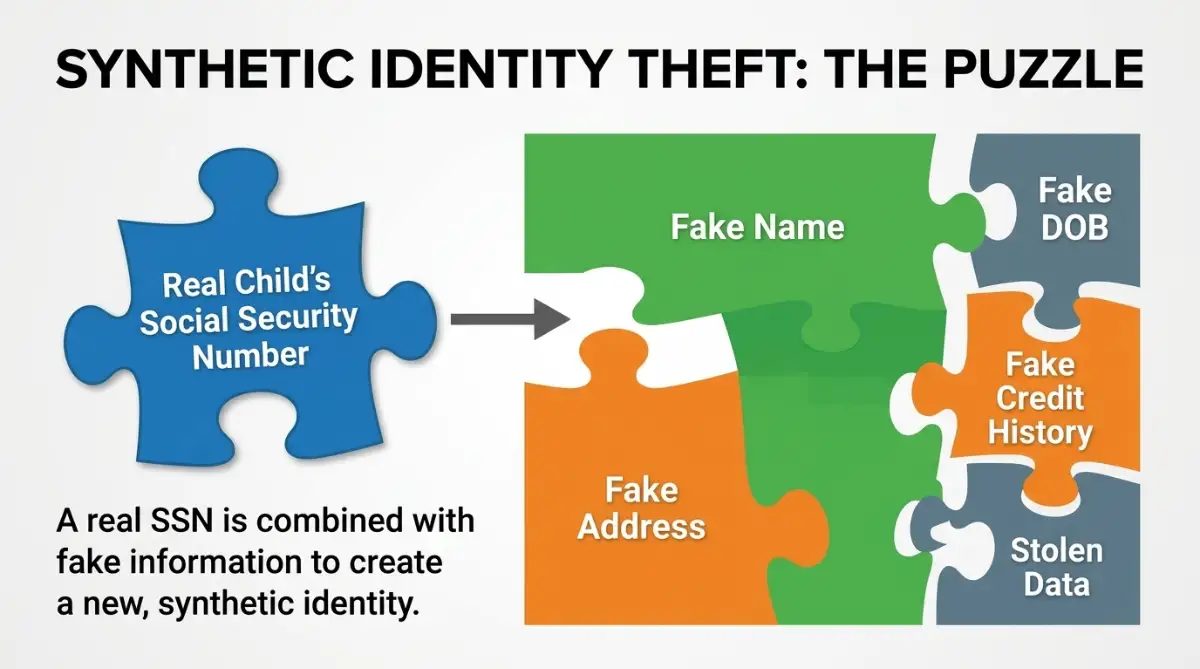
To stop the bleeding, you must understand how these fake personas are born. Attackers rarely steal the identity of a working, middle-aged adult anymore. That strategy is too noisy and alerts credit monitoring services instantly.
Instead, criminals target the Social Security Numbers (SSNs) of children, incarcerated individuals, or the deceased. These specific groups do not actively check their credit reports.
The attacker takes a real child's SSN and attaches it to a completely fictitious name and a random mailing address. When the criminal applies for a small loan, the credit bureau gets confused. The bureau notices that the SSN and the name do not match an existing file, so their automated software creates a brand-new sub-file for this new "person."
The Patient Build-Up Phase
Once that new credit file is open, the attacker behaves like a model citizen. They apply for low-limit credit cards and make tiny, consistent payments. They intentionally build an excellent credit score over two or three years.
Your banking algorithms see this great payment history and naturally offer massive credit limit increases. The criminal waits patiently for the absolute maximum credit limit across multiple accounts.
When the accounts are completely loaded, the attacker maxes out every single card, steals the cash, and vanishes. Security experts refer to this final extraction as the bust-out phase.
Allowing these unverified entities to sit in your system is incredibly dangerous. It mirrors the exact problem of identifying hidden privacy leaks in everyday AI automation tools. You ignore small, quiet anomalies in the background until the resulting leak destroys your entire operation.
Why Traditional Defense Systems Fail
Banks lose billions of dollars to this specific crime every single reporting period. The financial damage is staggering, yet most legacy fraud departments struggle to catch it.
The core issue lies in how we traditionally investigate fraud. Old security models rely entirely on reactive reporting.
The Absence of a True Victim
Standard identity theft has a built-in alarm system. If someone steals your wallet and racks up charges, you will call the bank immediately to report the clear physical theft.
Synthetic identities have absolutely no victim to raise the alarm. The child whose SSN was stolen will not realize they were victimized until they apply for their first car loan a decade later.
Because nobody is calling your fraud department to complain, the fake account flies confidently under your radar. You cannot rely on customer complaints to trigger an investigation.
This comparison table highlights why standard reactionary defenses are completely useless against a patient, fabricated persona.
Advanced Institutional Defense Tactics
You cannot catch a phantom using outdated tools. Institutions must fundamentally overhaul their onboarding procedures to verify that a breathing human stands behind the digital application.
Deploying Behavioral Analytics
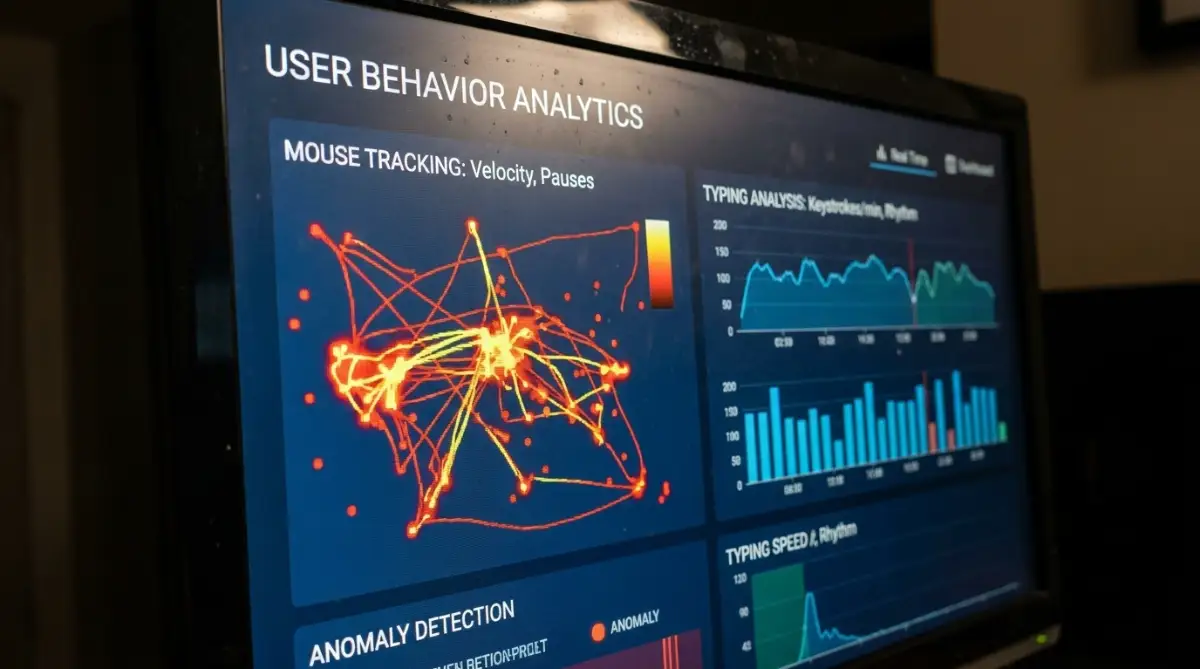
Instead of just looking at the final submit button, you must analyze how the applicant actually fills out the form. Real people type their own names smoothly because of muscle memory.
Criminals operating synthetic networks often copy and paste data from massive stolen spreadsheets. If your backend security software detects a user pasting their social security number or typing it at inhuman speeds, you must flag the application immediately.
Tracking these tiny behavioral clues builds a proactive defense. Skipping this step leaves you totally exposed, much like falling for the silent tax traps destroying life insurance payouts. When you assume a document is safe just because it looks official on the surface, the hidden flaws will bankrupt you.
Verification Through Official Government Databases
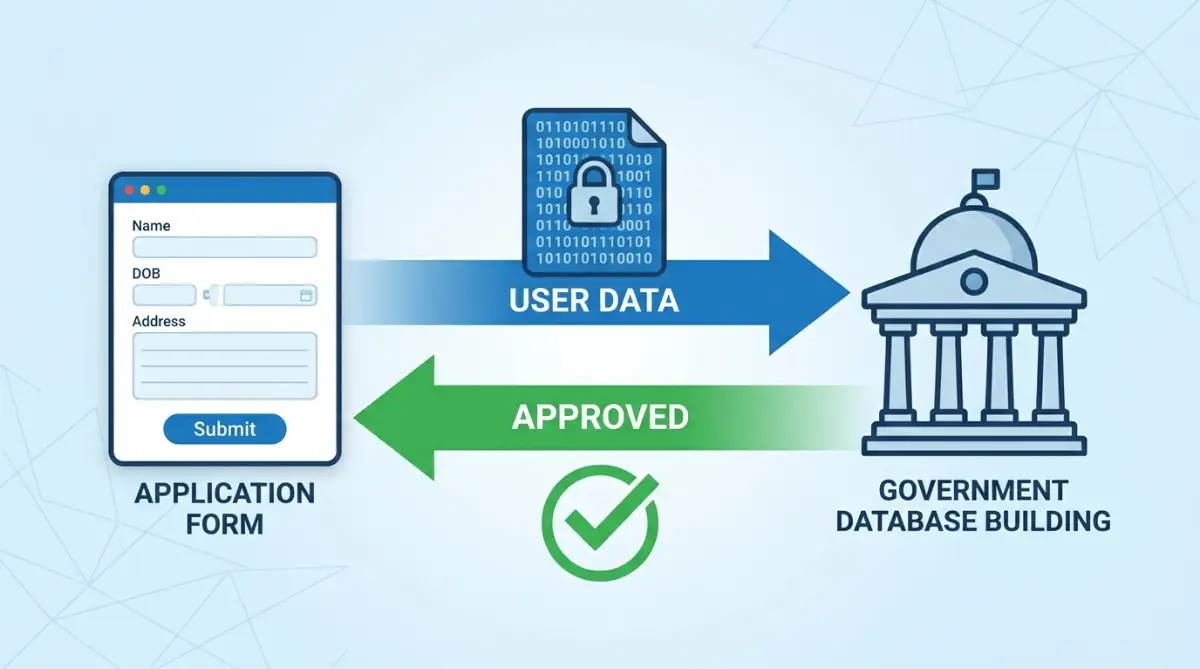
The most powerful weapon you have against this crime requires governmental cooperation. You must stop relying exclusively on commercial credit bureaus to verify existence.
Financial institutions operating in the United States must integrate the Social Security Administration eCBSV platform directly into their onboarding logic. This electronic verification service allows authorized banks to check if an applicant's SSN actually matches the name and date of birth on file with the federal government.
If a criminal attaches a fake name to a stolen SSN, this federal database will instantly flag the mismatch. It effectively kills the synthetic identity before the bank opens the account.
Device Fingerprinting
You must also track the physical machines connecting to your servers. Criminal rings rarely use thousands of different laptops. They sit in server farms and cycle through thousands of applications using the exact same hardware.
Implement strict device fingerprinting. If your system notices that fifty different high-credit applicants all applied using the exact same device ID and browser version, you are facing a coordinated attack.
Ignoring chronic monitoring fatigue creates massive blind spots in your defensive perimeter. Just as the hidden impact of screen time on your metabolism quietly destroys your physical energy over a long period, ignoring repetitive device warnings quietly destroys your institutional security. You must keep your anomaly detection parameters sharp and actively monitored.
To understand the broader economic impact of these highly coordinated attacks, you can read the comprehensive Federal Reserve report on synthetic identity fraud. Their research perfectly illustrates the timeline attackers use to extract massive payouts.

Your Final Action Plan
You now possess the exact technical insight required to block these digital phantoms from infiltrating your database. You understand that excellent credit scores do not guarantee that the person actually exists.
Do not let these silent attackers drain your institutional capital. You have the total capacity to build a fortified onboarding process today.
Your Immediate Security Checklist:
- Audit Your Verification Tools: Review your current application process. Ensure your system flags any application where a credit file was generated only a few months ago for an older adult.
- Enforce eCBSV Protocols: If you operate a US financial institution, register for the federal SSN verification service immediately to cross-check all identity data.
- Deploy Device Tracking: Implement software that tracks browser metadata and physical device IDs to block repetitive applications originating from the exact same hardware.
- Analyze User Behaviors: Flag applications that rely heavily on copy-pasting personal information into sensitive onboarding fields.
Rebuilding your internal defense strategy requires strict dedication to modern data science. By moving away from reactive reporting and embracing aggressive, proactive data matching, you force the criminals to move elsewhere. Secure your perimeter, reject the fake personas, and protect your company’s financial integrity.
Frequently Asked Questions
How do synthetic identities get a real credit score?
Criminals apply for tiny, unsecured loans or piggyback as authorized users on existing legitimate accounts. When the credit bureaus see these small approvals, they mathematically assign a real score to the fake persona.
Why do criminals steal children's SSNs?
Children have absolutely no financial history attached to their numbers. A perfectly clean, blank slate allows attackers to attach fabricated names and build a fresh credit history without triggering any existing fraud alerts.
Is synthetic identity fraud only a banking problem?
No. Criminals use synthetic profiles throughout multiple industries. They frequently use fake personas to drain healthcare benefits, secure fraudulent auto loans, and steal extensive government tax refunds.
Disclaimer: This blog post is designed for educational and informational purposes only. The fraud prevention strategies, behavioral analytics, and institutional defense tactics discussed are based on general cybersecurity and banking best practices. I am not a certified financial compliance officer or a legal attorney. Financial regulations and identity verification laws (like those governing SSN usage and eCBSV) vary by jurisdiction and change frequently. Always consult with a certified cybersecurity firm and your institution's internal risk management and legal departments before altering corporate onboarding procedures or security protocols.