
Streamlining Threat Detection With Cybersecurity Automation
📑 Table of Contents
- The Paralyzing Crush of Alert Fatigue
- How Automation Changes the Defense Game
- Shifting from Reactive to Proactive
- Building the Automated Defense Architecture
- Implementing Security Orchestration (SOAR)
- Comparing Manual Versus Automated Defenses
- Destructive Mistakes in Automating Security
- Automating Broken Processes
- The Set It and Forget It Trap
- Your Final Action Plan
- Frequently Asked Questions
You can streamline threat detection by deploying SOAR platforms to instantly triage alerts, automatically isolate compromised endpoints, and eliminate manual log reviews. Cybersecurity automation stops active breaches in milliseconds, freeing your IT team to hunt advanced threats instead of chasing false alarms.
The Paralyzing Crush of Alert Fatigue
You walk into your corporate server room on a Monday morning. Your security dashboard is flashing with over three thousand active network alerts from the weekend. Your stomach completely drops because you know it is mathematically impossible to investigate every single notification.
Most of these warnings are simple false alarms. An employee typed their password incorrectly three times, or a printer dropped its Wi-Fi connection. However, buried completely out of sight in that massive pile of red alerts is a highly sophisticated hacker actively stealing your client database.
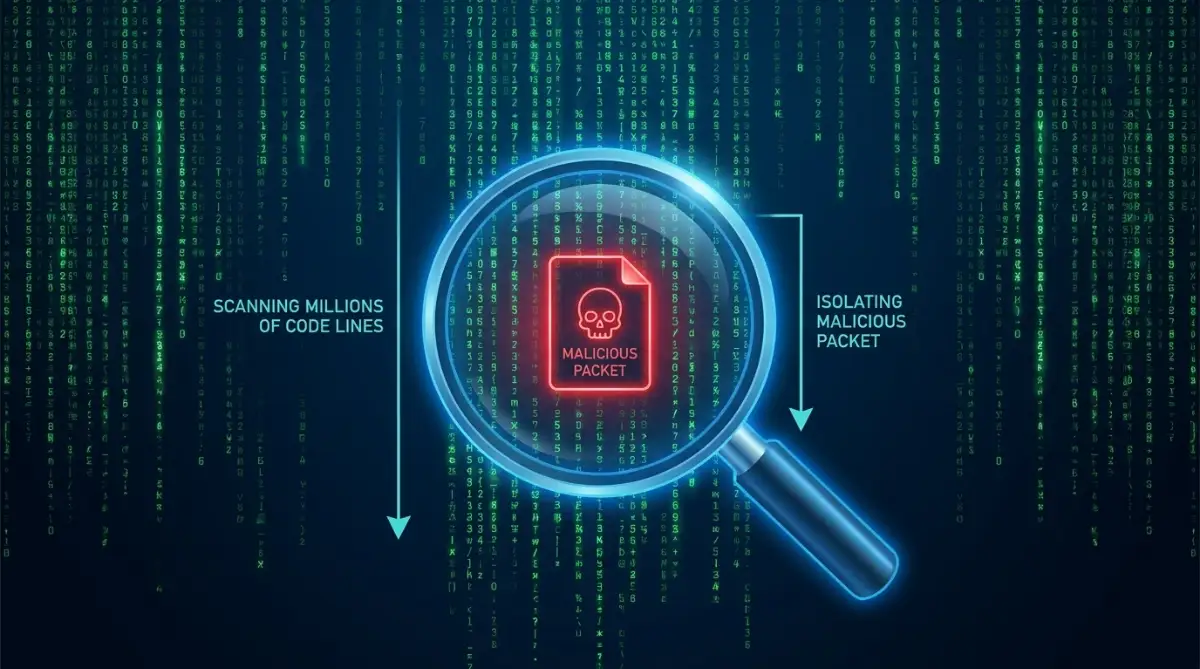
This terrifying scenario is known as alert fatigue. Human beings physically cannot stare at lines of code all day without losing their focus. When your security team is overworked and exhausted, they start ignoring the dashboard entirely.
Hackers rely specifically on this human exhaustion. They launch automated attack scripts that operate in milliseconds, overwhelming your defenders with pure volume. You cannot fight a fully automated machine with human hands. I am going to show you exactly how to program your own defenses to catch, isolate, and neutralize these digital attacks while you sleep.
How Automation Changes the Defense Game
To secure your business, you must change how you process information. Traditional IT security forces an engineer to read a log, identify the problem, and manually click a button to block the threat.
In a modern network, a hacker can breach a server and extract sensitive files in less than four minutes. If your engineer is on a lunch break, the data is permanently gone.
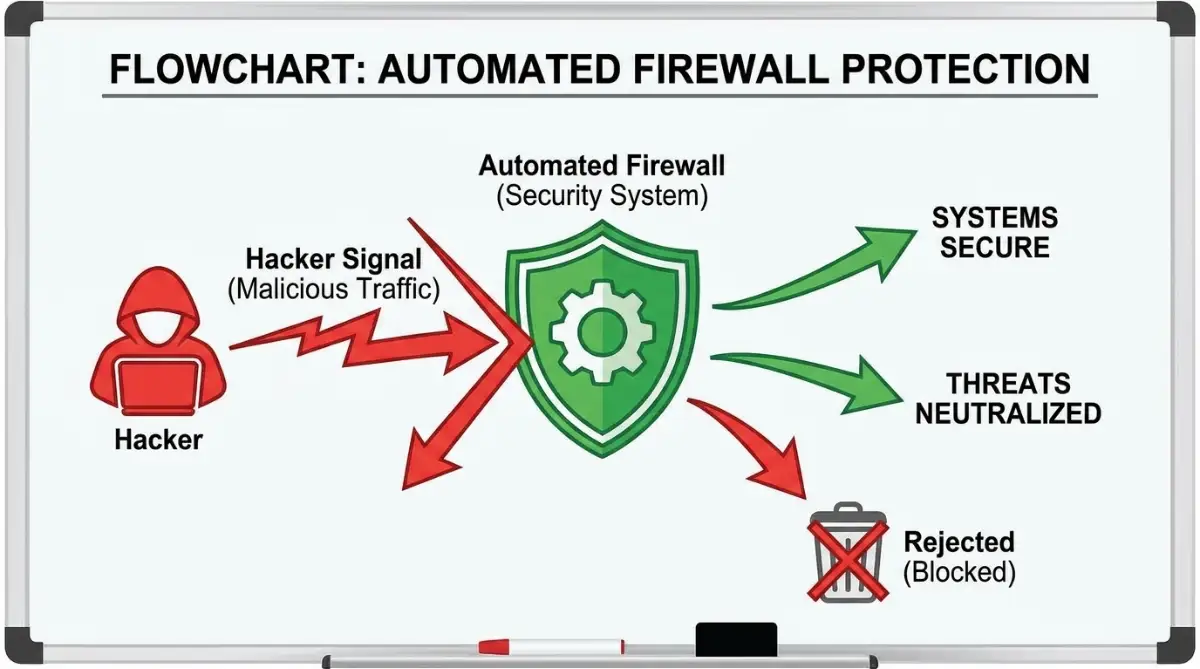
By deploying cybersecurity automation, you give the system permission to defend itself. When a threat triggers an alarm, the software does not wait for human approval. It instantly reads the malicious code and blocks the connection before the hacker can execute their next move.
Shifting from Reactive to Proactive
You have to configure your systems to hunt for abnormal behavior actively. Your network knows how an employee behaves on a normal Tuesday. If that same employee suddenly tries to download fifty gigabytes of secure engineering files at three in the morning, the system should recognize the anomaly.
Instead of just logging the event, an automated script kicks in instantly. It locks the employee’s account and physically isolates their laptop from the internet.
The security team can review the incident the next morning safely. Ignoring these suspicious behavioral spikes causes quiet, catastrophic damage over time. It is exactly like ignoring the hidden impact of screen time on your metabolism. You overlook the small warning signs daily, and the system eventually experiences a total breakdown.
Building the Automated Defense Architecture
You do not need to replace your entire IT department to achieve this level of security. You simply need to glue your existing tools together.
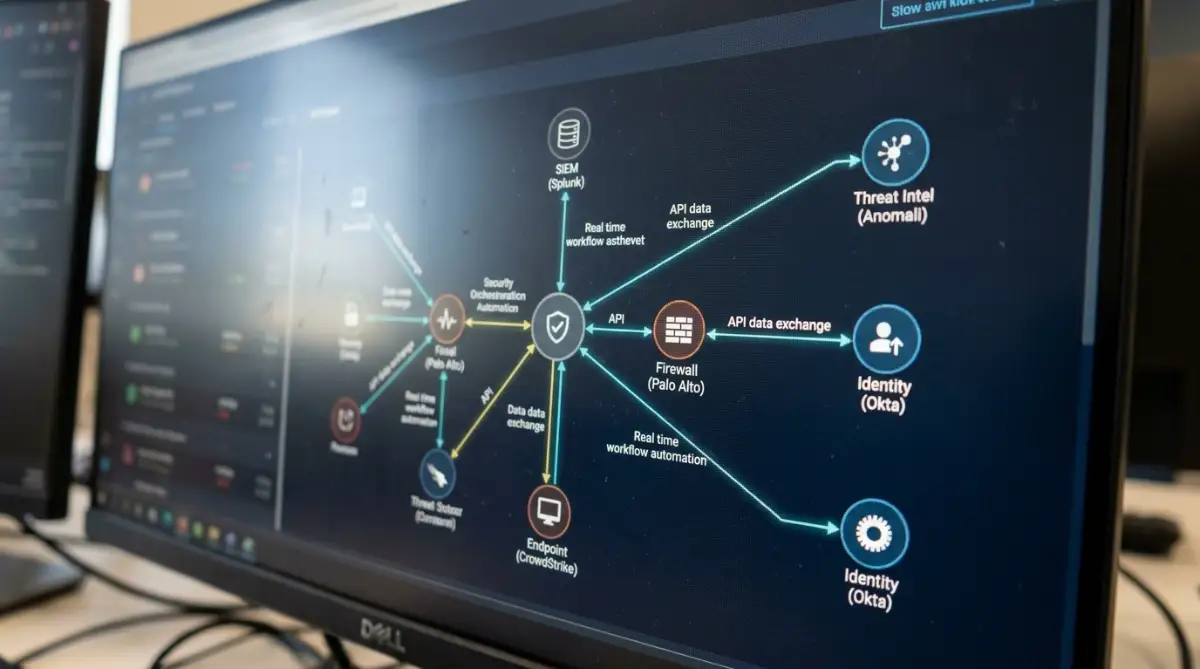
Many businesses own a powerful firewall, a solid antivirus program, and a strict email filter. Unfortunately, these tools never talk to each other. Automation acts as the central brain that forces all your distinct software programs to share information instantly.
Implementing Security Orchestration (SOAR)
The industry standard for achieving this requires a SOAR platform (Security Orchestration, Automation, and Response). A SOAR platform ingests data from every single piece of hardware in your building.
If your email filter catches a malicious phishing link, the SOAR platform reads the data automatically. It then immediately commands your firewall to block any internet traffic attempting to reach that specific malicious web address. It does all of this in less than a second.
You can read the exact engineering requirements for building these automated response systems through the public guidelines provided by the Cybersecurity and Infrastructure Security Agency (CISA). Their documentation proves why manual threat hunting is no longer acceptable for modern enterprises.
Comparing Manual Versus Automated Defenses
Executives often hesitate to spend money on automated software. They believe their current IT staff can handle the volume of daily alerts.
You must look at the mathematical reality of modern data protection. Human limitations directly create security vulnerabilities.
This table clearly demonstrates why clinging to manual operations guarantees your business will eventually suffer a successful data breach.
Destructive Mistakes in Automating Security
When companies decide to upgrade their security, they often rush the deployment. They buy expensive software, turn it on, and expect absolute perfection.
Making impulsive decisions with enterprise software creates entirely new vulnerabilities. Let us examine the exact mistakes that cause automation projects to fail spectacularly.
Automating Broken Processes
You cannot take a terrible manual process and fix it simply by speeding it up. If your IT team currently approves every single low-level alert without checking it, automating that process just automatically approves threats.
Before you write a single line of automation code, you must map out your physical incident response plan on a whiteboard. You must define exactly what an actual threat looks like.
If you connect weak software without defining strict permissions, you invite attackers directly into your network. This massive oversight frequently causes hidden privacy leaks in everyday AI automation tools. You must build a secure, logical foundation before you flip the power switch.
The Set It and Forget It Trap
Hackers change their tactics every single week. If you program an automated defense script today, it will be completely obsolete in six months.
Many business owners treat cybersecurity like buying an office chair. They purchase it once and never think about it again. Security relies entirely on continuous maintenance.
You must assign a senior engineer to review the automated rules every quarter. If you ignore the changing threat environment, you fall into a massive financial hazard. This negligence mirrors the exact behavior that triggers the silent tax traps destroying life insurance payouts. You stop monitoring the fine print, and the system eventually works against you to drain your assets.
To review how major institutions handle continuous defense testing, independent reports from the SANS Institute offer brilliant insights into adapting automated playbooks against modern ransomware gangs.
Your Final Action Plan
You now possess the strategic clarity to relieve your IT department from paralyzing alert fatigue. You understand that machines must fight machines if you want to keep your network secure.
Do not let the complexity of new software block your progress. You can start building your digital perimeter today using highly methodical steps.
Your Immediate Security Checklist:
- Audit Your Tools: List every single security software your company pays for. Identify which tools offer open API connections that enable data sharing.
- Define Anomaly Baselines: Work with your administrators to establish exactly what normal employee behavior looks like during standard office hours.
- Start Small: Automate just one simple task this week. Write a script that automatically locks an active user account after five failed password attempts.
- Test the System: Run a mock phishing exercise against your own team. Monitor how the automated tools tag, quarantine, and report the fake threat.
Building an autonomous defense system completely changes the morale of your technology workforce. Your engineers stop functioning like data entry clerks and begin operating like true security analysts. Take absolute control of your digital perimeter today, deploy your automated playbooks, and secure your company against the next wave of silent threats.
Frequently Asked Questions
Will automation replace my security engineers?
No, automation does not replace human intelligence. It eliminates repetitive, low-level data sorting, allowing your engineers to focus entirely on advanced threat hunting and complex incident remediation.
Can automated security accidentally block legitimate traffic?
Yes. If your playbooks are poorly configured, the system might block a legitimate client attempting to connect. You must test your automated rules strictly in a safe, offline environment before deploying them to your active public network.
What is the first process I should automate?
You should immediately automate your email phishing response. Program your system to automatically pull suspicious emails from all employee inboxes the exact second an internal user flags a message as a malicious threat.
Disclaimer: This blog post is designed for educational and informational purposes only. Enterprise cybersecurity strategies and network automation protocols change frequently based on emerging global threats. I am not a certified network security engineer or a corporate IT compliance officer. Always consult with a licensed, certified cybersecurity firm before introducing automated blocking scripts into your active commercial production environments.