Electric Vehicle EV Tech: The Complete Engineering Guide
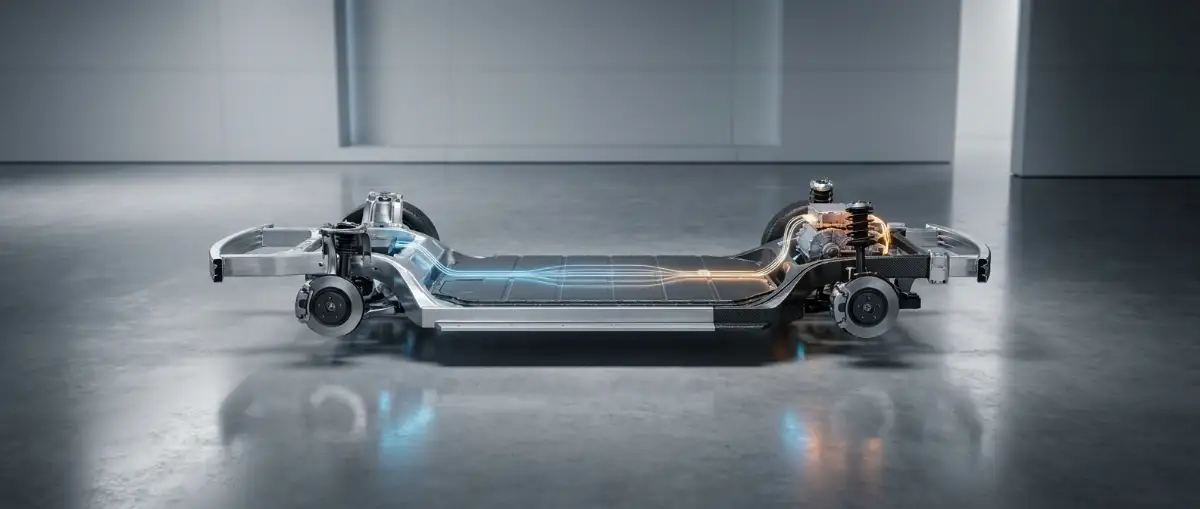
You don't need an engineering degree to see why electric cars are taking over our roads. Pop the hood of a gas car, and you're staring at thousands of greasy, rattling metal parts waiting to wear out. An electric car strips away that mechanical headache, running on just a battery, an inverter, and a silent motor. Let's cut through the dealership sales talk and look at how modern EV engineering actually works under your feet.
Gas Engine Complexity vs. Electric Drivetrain Simplicity:
- Traditional Gas Vehicle: Over 2,000 moving engine parts, multi-gear automatic transmission, exhaust treatment systems, and high mechanical friction points requiring frequent fluid replacements.
- Electric Vehicle (EV): Fewer than 20 moving parts in the entire drivetrain, a sealed lithium battery pack, an electronic inverter, and a direct-drive motor spinning on magnetic fields.
Understanding electric vehicle EV tech is the key to selecting the right model, avoiding charging headaches, and maximising battery lifespan.
Here is the complete, straightforward engineering breakdown of how modern electric cars work, how battery chemistry impacts your daily drive, and what technical standards matter most.
Table of Contents
- The Core Anatomy: How an Electric Vehicle Operates
- Battery Chemistry and Pack Engineering: LFP vs. NMC
- Voltage Architectures: 400V vs. 800V Systems Compared
- Charging Protocols and Hardware Standards
- Thermal Management: Why Heat Pumps Matter for Winter Range
- Bidirectional Charging: Turning Cars into Mobile Energy Reserves
- Regional Standards: USA, UK, and European Implementations
- Common Misconceptions About Electric Vehicle Tech
- What Can You Do With This Information?
- Your Next Step
- Frequently Asked Questions
- Summary: The Maturing State of Electric Mobility
Your Fast EV Tech Cheat Sheet:
- Fewer Moving Parts: Electric drivetrains eliminate thousands of wear-and-tear parts found in gas engines.
- Know Your Battery: LFP batteries love daily 100% charging; NMC batteries deliver longer range and faster winter speeds.
- 800V vs. 400V: 800-volt charging cuts road-trip charging stops down to roughly 18 minutes by reducing heat.
- Must-Have Winter Tech: Always choose an EV with a heat pump to protect your highway range in freezing weather.
The Electric Motor: Magnetic Fields Over Internal Combustion
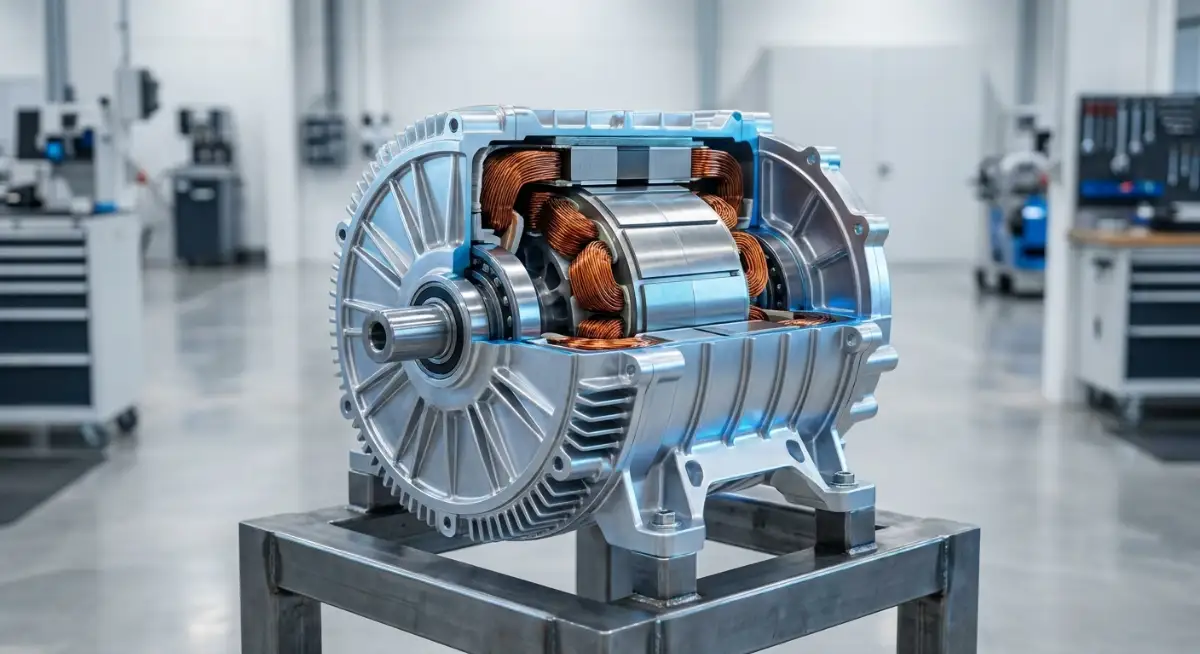
Traditional combustion engines must rev up to several thousand revolutions per minute (RPM) to reach their peak pulling power (torque). Electric motors operate on electromagnetic physics, producing 100% of their maximum torque at zero RPM.
Most modern electric vehicles use one of two electric motor styles:
- Permanent Magnet Synchronous Motors (PMSM): Rare-earth magnets sit embedded directly inside the spinning rotor. These motors deliver the highest efficiency and power density, making them standard for primary drive axles.
- Induction (Asynchronous) Motors: These motors use electrical currents to induce a magnetic field in the rotor rather than relying on physical magnets. While slightly less efficient at low speeds, they can freewheel without magnetic drag when coasting, making them ideal for secondary helper motors on all-wheel-drive vehicles.
Because electric motors can spin safely up to 18,000 to 20,000 RPM, they do not need complex multi-gear automatic transmissions. A simple single-speed reduction gearbox steps down the motor RPM to match wheel rotation, eliminating clutches, torque converters, and gear shifts.
The Inverter: The Silicon Brain of the Drivetrain
Using high-voltage solid-state switches—increasingly made from advanced silicon carbide (SiC) semiconductors rather than standard silicon—the inverter switches electrical polarity thousands of times per second. By adjusting the frequency and amplitude of the current, it precisely manages motor speed, acceleration, and power output.
The inverter also handles regenerative braking. When you lift your foot off the accelerator, the motor reverses its function, acting as an electrical generator. The rolling momentum of the car turns the motor, creating resistance that slows the vehicle down while pushing electricity back through the inverter to recharge the battery.
Battery Chemistry and Pack Engineering: LFP vs. NMC
The battery pack is the heaviest, most expensive component in an electric vehicle. Modern automakers use two primary chemical formulations for passenger vehicles:
- LFP (Lithium Iron Phosphate): Lower production cost, ultra-durable (3,000+ charge cycles), exceptionally fire-safe, and designed for daily 100% charging.
- NMC (Nickel Manganese Cobalt): Maximum energy density, lighter physical weight, superior cold-weather acceleration, but best preserved with an 80% daily charge limit.
Lithium Iron Phosphate (LFP): The Durable Workhorse
LFP batteries replace nickel and cobalt with iron and phosphate.
- The Trade-Off: LFP has a lower energy density, meaning the battery pack is physically heavier for a given driving range.
- The Strengths: LFP chemistry is exceptionally durable, non-flammable under puncture tests, and withstands over 3,000 full charge cycles. Crucially, LFP packs can be charged to 100% state-of-charge daily without degrading the cells, making them the preferred choice for standard-range passenger cars and fleet commercial vehicles.
Nickel Manganese Cobalt (NMC): The Energy Density Standard
NMC batteries use a cathode made of nickel, manganese, and cobalt.
- The Trade-Off: Higher manufacturing costs and sensitivity to high heat. Automakers recommend charging to only 80% capacity for everyday commuting to preserve cell life.
- The Strengths: Exceptional energy density. NMC packs maximum energy into a smaller physical footprint, making them the standard choice for long-range crossovers, trucks, and performance sports cars. They also accept fast-charging currents better in freezing winter temperatures.
Which Battery Chemistry Fits Your Life?
- Pick LFP if you do mostly city driving, park outside, want a car that lasts 15+ years, and prefer plugging in to 100% every single night without babying the battery.
- Pick NMC if you live in freezing winter climates, take frequent 300-mile highway road trips, or need maximum towing and acceleration power.
Cell-to-Pack and Structural Battery Architecture
Early electric vehicles placed battery cells inside small modules, wired those modules together, and placed them into a heavy aluminium protective tray.
Modern EV engineering uses cell-to-pack (CTP) and structural battery architectures. Individual cells glue directly into the battery chassis, which then doubles as the physical floor of the car. Removing internal structural frames cuts vehicle weight, reduces parts counts by up to 40%, and leaves more room for active battery material.
To see how home energy systems store clean power alongside residential setups, read our guide on how climate energy resilience works.
Voltage Architectures: 400V vs. 800V Systems Compared
The underlying electrical voltage of an electric car determines how fast it charges and how efficiently it drives:
The Physics of Charging Speed (Power = Voltage x Current):
- 400V System: 400 Volts × 500 Amps = 200 kW Peak Power (High current generates heavy thermal heat in charging cables).
- 800V System: 800 Volts × 437 Amps = 350 kW Peak Power (Higher voltage delivers faster energy with lower heat stress).
By doubling the voltage, an 800V system delivers more electrical power (kilowatts) while pulling less electrical current (amperage).
Charging Protocols and Hardware Standards
Charging an electric car falls into two distinct operational categories: slow AC charging and rapid DC charging.
- AC Home Charging (Level 2): Grid AC power flows through a 240V wall box into the car's internal onboard charger, which converts it to DC to fill the pack overnight.
- DC Fast Charging (Highway Public Hubs): Industrial roadside dispensers convert grid power to high-voltage DC externally, feeding electricity directly into the battery pack in minutes.
AC Level 2 Charging vs. DC Fast Charging
- AC Level 2 (Home & Destination Charging): Supplies 240-volt AC power directly to your vehicle (typically 7kW to 11kW). The car’s internal onboard charger converts that AC grid power into DC electricity to fill the pack overnight.
- DC Fast Charging (Public Highways): The public charging dispenser houses massive industrial transformers that convert grid AC to DC power externally. The charging station feeds high-voltage DC electricity directly into the battery pack, bypassing the vehicle's onboard converter to add hundreds of miles of range in minutes.
NACS (SAE J3400) vs. CCS Type 2: The Port Standardisation Shift
The physical charging plug is undergoing global consolidation:
- In North America: Automakers have transitioned to the North American Charging Standard (NACS), officially designated as SAE J3400 [3]. This compact, lightweight plug handles both AC home charging and high-speed DC fast charging through a single set of pins, giving drivers seamless access to the continent's most reliable charging networks.
- In Europe and the UK: The CCS Combo 2 (Combined Charging System) remains the universal legal standard [4]. It uses a Type 2 connector with two supplementary DC pins, supported by mandatory interoperability laws across all public charging networks.
Thermal Preconditioning: The Secret to Fast Charging Speeds
A lithium-ion battery cannot accept high-current fast charging when its cells are cold. Attempting to force rapid DC power into a cold battery causes lithium plating—a permanent degradation that reduces battery capacity and can short-circuit cells.
Modern EVs feature automated thermal preconditioning. When you enter a high-speed DC charger into your vehicle's navigation system:
- The vehicle routes coolant through a dedicated heating element while you drive.
- The system warms or cools the battery pack to its optimal electrochemical sweet spot (typically 85°F to 105°F / 30°C to 40°C).
- Upon arrival, your battery pack immediately accepts peak charging speeds without throttling.
Thermal Management: Why Heat Pumps Matter for Winter Range
Cold air reduces battery efficiency and increases air resistance, but cabin heating causes the greatest winter driving range loss.
Traditional gas cars generate abundant waste heat from internal combustion, which easily warms the cabin. A high-efficiency electric motor generates almost zero waste heat.
Early EVs relied on resistive PTC heaters—essentially giant electric space heaters that pulled massive amounts of electricity directly from the traction battery, slashing cold-weather driving range by up to 30%.
Heating Efficiency Comparison (Coefficient of Performance):
- Resistive Heater: Consumes 1 kW of battery power to produce 1 kW of heat (100% efficient, heavy energy drain).
- Heat Pump System: Consumes 1 kW of battery power to move 3 to 4 kW of heat into the cabin (300% to 400% efficient, minimal energy drain).
Modern electric vehicles use advanced refrigerant heat pumps. Rather than generating heat through resistance, a heat pump uses a closed refrigerant loop to scavenge low-grade thermal energy from outside air, the electric motor, and the power inverter. It compresses that ambient heat and pumps it into the cabin.
The Winter Range Reality Check (At 20°F / -7°C):
- EV with Standard Resistive Heater: Loses roughly 30% to 35% of its highway range just keeping the cabin warm.
- EV with a Heat Pump: Loses only 15% to 18% of its highway range by pulling warmth from the motor and inverter.
- The Golden Rule: If you live where it snows, never buy an electric car without a built-in heat pump.
Bidirectional Charging: Turning Cars into Mobile Energy Reserves
Modern EV architecture is evolving from a passive consumer of grid power into an active distributed energy storage node.
Three Levels of Bidirectional Power:
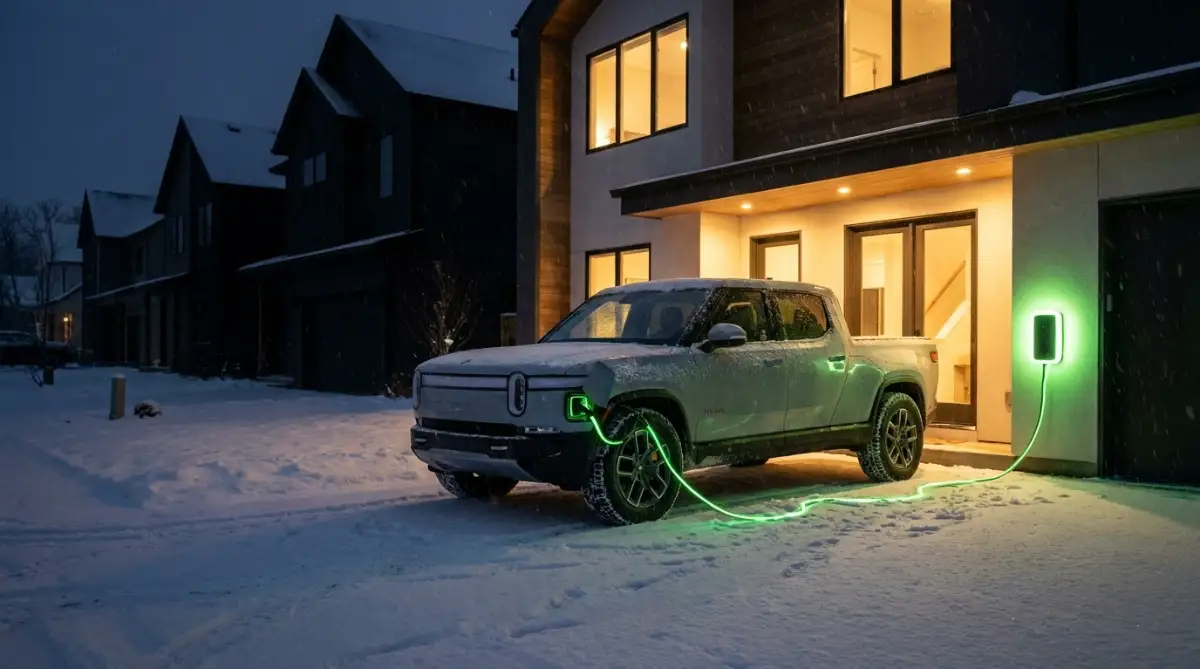
- Vehicle-to-Load (V2L): The vehicle supplies standard 120V or 240V AC power through household outlets on the car, running power tools, camping gear, and appliances.
- Vehicle-to-Home (V2H): The vehicle plugs into a specialised home inverter to power critical circuits during severe storm blackouts for up to a week.
- Vehicle-to-Grid (V2G): The vehicle exports stored battery power back to the public electrical utility during peak demand hours, earning credits for the owner.
V2L, V2H, and V2G Explained
- Vehicle-to-Load (V2L): Provides standard 120V or 240V household electrical outlets directly on the vehicle body or via an adapter. Drivers can run power tools, tailgating appliances, or camping gear directly from the car's high-voltage pack.
- Vehicle-to-Home (V2H): When connected to a specialised home gateway and inverter, the electric vehicle operates as a residential backup battery. A standard 75 kWh EV pack can power an average home's critical circuits for up to four to seven days during a severe storm outage.
- Vehicle-to-Grid (V2G): Connects the vehicle to the public power grid via smart bidirectional chargers. During extreme afternoon heatwaves when wholesale power prices spike, parked vehicles discharge clean energy back to the grid to prevent brownouts, earning cash credits for the vehicle owner.
To explore how smart home power management systems integrate clean energy automation, review our guide on smart home automation for energy savings.
Regional Standards: USA, UK, and European Implementations
Electric vehicle ownership involves distinct regulatory and charging environments depending on where you drive.
United States: Charging Infrastructure Buildouts and NACS
The US market is defined by long highway distances and the rapid adoption of SAE J3400 (NACS). Federal programmes like the National Electric Vehicle Infrastructure (NEVI) formula provide state funding to build high-power fast-charging stations every 50 miles along designated interstate corridors [1].
US buyers must check whether their residential garage panel supports a continuous 40-amp or 50-amp 240V circuit (Level 2) to avoid relying exclusively on public charging networks.
United Kingdom: Smart Charge Point Regulations and Public Hubs
In the UK, public charging infrastructure is governed by strict accessibility mandates. Rapid charging stations must provide a minimum 99% uptime and feature transparent pricing displays alongside contactless payment card access without requiring mobile apps.
Under the UK Electric Vehicles (Smart Charge Points) Regulations, domestic home chargers must feature smart functionality that defaults charging cycles to off-peak overnight hours, protecting the National Grid from peak evening strain while saving drivers money on flexible electricity tariffs.
European Union: Battery Passports and TEN-T Corridors
The European Union enforces the world's most comprehensive battery transparency regulations. Under the EU Battery Regulation, every EV battery manufactured or sold within the EU must feature a digital Battery Passport detailing:
- Sourcing of raw materials (lithium, cobalt, nickel)
- Lifetime carbon footprint metrics
- Minimum recycled material content thresholds
- Real-time state-of-health data
Furthermore, the Alternative Fuels Infrastructure Regulation (AFIR) legally mandates fast-charging stations with a minimum capacity of 400 kW installed at least every 60 kilometres along core European highways [4].
Common Misconceptions About Electric Vehicle Tech
Real-World Facts on Common EV Myths:
- Myth 1: "EV batteries degrade and must be replaced every five years."
- Reality: Modern liquid-cooled battery packs degrade at roughly 1% to 2% per year. Data shows most packs last 15 to 20 years, comfortably outliving the structural life of the car.
- Myth 2: "Electric vehicles catch fire more often than gasoline cars."
- Reality: Highway safety and insurance claim statistics confirm that gas-powered combustion vehicles catch fire up to 20 times more often per mile driven than battery electric vehicles.
- Myth 3: "DC fast charging ruins battery health immediately."
- Reality: Advanced battery management systems (BMS) continuously regulate charging voltage, cooling fluid, and current flow to prevent cell damage during rapid charging.
- Myth 4: "Electric cars will crash the public power grid."
- Reality: Over 80% of EV charging occurs overnight during off-peak hours when power demand drops by over 30%, balancing grid loads rather than stressing them.
To see how personal financial planning and disciplined habits help fund sustainable vehicle upgrades, review our guide on how to build wealth in silence.
What Can You Do With This Information?
For Prospective EV Buyers
- Check battery chemistry before purchasing: choose LFP if you prefer charging to 100% daily and prioritise longevity, or NMC if you need maximum highway driving range and cold-weather acceleration.
- Demand a native heat pump on any vehicle you intend to drive in cold climates to protect winter driving range.
- Verify whether the vehicle uses an 800V charging architecture if you frequently take long highway road trips and prioritise sub-20-minute charging stops.
For Homeowners and Commuters
- Install a dedicated 240V Level 2 smart home charger that automates charging cycles during cheap, off-peak overnight hours.
- Investigate bidirectional chargers (V2H) if you live in storm-prone regions subject to frequent utility blackouts.
- Precondition your vehicle's cabin and battery while still plugged into your home wall charger before leaving in winter, preserving full battery capacity for driving.
For Commercial Fleet Operators
- Deploy smart load-balancing charging systems that schedule fleet charging in staggered intervals, avoiding expensive commercial utility peak demand penalties.
- Standardise on vehicles supporting remote telematics and open charge-point communication protocols (OCPP) for seamless depot management.
- Track digital battery health metrics across your fleet to optimise vehicle trade-in cycles and secondary battery life repurposing.
Your Next Step
- Audit Your Daily Commute: Track your actual mileage for one week. The average driver travels under 40 miles per day, meaning even basic overnight Level 2 charging covers your routine needs.
- Inspect Your Electrical Panel: Check your home's main breaker panel to verify you have at least 40 to 50 amps of available capacity for a dedicated 240V charging circuit.
- Research Time-of-Use Electricity Rates: Call your electric utility or visit their website to enrol in an EV-specific tariff that drops your overnight charging cost to a fraction of the daytime rate.
- Test-Drive Multiple Drivetrain Layouts: Experience single-motor rear-wheel drive versus dual-motor all-wheel drive to determine whether your climate requires multi-motor traction.
Frequently Asked Questions
What is the average lifespan of an electric car battery?
Modern liquid-cooled EV batteries are designed to last between 15 and 20 years, or roughly 150,000 to 300,000 miles, with most retaining over 75% to 80% of their original storage capacity over that lifespan.
What is the difference between Level 1, Level 2, and DC Fast Charging?
Level 1 uses a standard 120V household wall outlet (adding 3–5 miles of range per hour). Level 2 uses a 240V dedicated appliance circuit (adding 20–40 miles of range per hour, ideal for home overnight charging). DC Fast Charging supplies high-voltage direct current at public stations (adding 100–250 miles of range in 15–30 minutes).
Can an electric car battery be recycled?
Yes. Industrial closed-loop battery recycling processes recover over 95% of critical raw materials—including lithium, nickel, cobalt, and copper—from degraded packs. These materials are refined directly back into battery-grade raw materials for new vehicle manufacturing.
Does cold weather damage an electric vehicle permanently?
No. Cold weather temporarily slows down the electrochemical reactions inside battery cells, temporarily reducing driving range and slowing charging speeds. Once temperatures warm up or the battery preconditions are met, full driving range and performance return with zero permanent battery harm.
Summary: The Maturing State of Electric Mobility
Electric vehicle technology has moved far beyond early adopter novelty.
By eliminating the mechanical complexity of combustion engines and leveraging solid-state power electronics, advanced battery chemistries, and intelligent thermal management, modern EVs deliver superior efficiency, lower maintenance costs, and exceptional performance.
As universal charging standards take hold and bidirectional power links personal transportation directly to home energy resilience, electric cars are no longer just vehicles—they are intelligent, mobile energy assets that transform how we power our lives.
Professional Engineering and Safety Disclaimer: The information provided in this guide is for educational and informational purposes only. It does not constitute certified automotive engineering, mechanical, or professional electrical advice. High-voltage vehicle battery packs and residential charging circuits operate at lethal electrical potentials. Always hire a licensed, insured electrician to install home vehicle charging equipment, and never attempt to service high-voltage orange vehicle cables or internal battery components yourself.
5. Reader Action Section
What Can You Do With This Information?
- Select the Correct Battery Chemistry: Choose LFP for durability and daily 100% charging convenience, or NMC for maximum range and winter driving.
- Optimise Charging Expenses: Automate home Level 2 charging during cheap off-peak hours to slash fuel costs compared to gas equivalents.
- Protect Winter Highway Range: Utilise thermal preconditioning and heat pump systems to preserve driving range during freezing weather.
Your Next Step
- Review your daily driving mileage to determine your real-world range and charging needs.
- Check your home breaker box for available 240V circuit breaker space.
- Review your electric utility provider’s off-peak EV charging rate discounts.
- Schedule a test drive with an 800V-architecture vehicle to observe rapid-charging performance in person.
8. External Sources
- [1] US Department of Energy (DOE) - Alternative Fuels Data Center: Electric Vehicle Basics and Charging Infrastructure Standards
- [2] International Energy Agency (IEA): Global EV Outlook: Technology Trends and Battery Supply Chains
- [3] Society of Automotive Engineers (SAE International): SAE J3400 (NACS) Recommended Practice and Technical Overview
- [4] European Commission (Transport): Alternative Fuels Infrastructure Regulation (AFIR) and EU Battery Passports